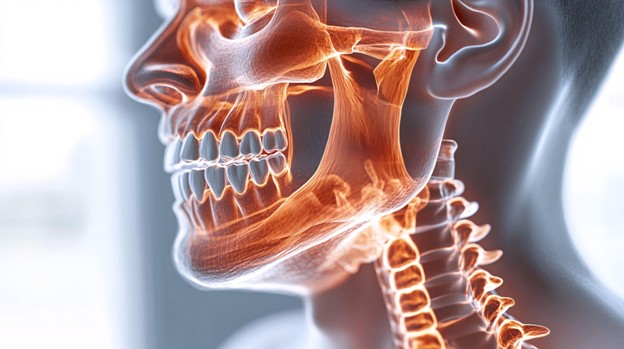
Jaw pain, ringing in the ears, and recurring headaches may seem unrelated, but Tony Schuster of Spring Lake highlights how these symptoms often stem from the same underlying physical imbalances within the body.
Many people treat these issues separately, seeking dental care for jaw discomfort, medical advice for headaches, or specialized attention for tinnitus. While each approach has value, it can sometimes overlook a larger, interconnected picture. The human body functions as a system, and when one area becomes strained or misaligned, it often affects multiple regions at once.
Understanding these connections is the first step toward more effective, lasting relief.
The Body Doesn’t Work in Isolation
The jaw, neck, and upper spine are closely linked through muscles, nerves, and connective tissue.
When tension builds in one area, it can easily spread:
- Tight neck muscles can pull on the jaw
- Jaw misalignment can affect the surrounding nerves
- Shoulder and upper back strain can influence posture and head position
These connections explain why symptoms rarely exist in isolation.
A person experiencing jaw discomfort may also notice:
- Frequent headaches
- Ear pressure or ringing
- Neck stiffness or reduced mobility
Rather than separate problems, these are often different expressions of the same underlying issue.
The Role of Posture in Everyday Strain
Modern routines contribute significantly to these interconnected symptoms.
Extended periods of:
- Sitting at desks
- Looking down at screens
- Working without ergonomic support
…can gradually shift posture out of alignment.
Forward head posture, in particular, places added strain on:
- The jaw joint (TMJ)
- Neck muscles
- Upper spinal structures
Over time, this strain can lead to the following:
- Increased muscle tension
- Joint irritation
- Nerve sensitivity
This is often when symptoms begin to overlap.
Stress as a Physical Trigger
Stress does not just affect the mind; it has a direct physical impact on the body.
Common stress responses include:
- Jaw clenching or teeth grinding
- Tightening of neck and shoulder muscles
- Shallow or irregular breathing
These patterns can persist throughout the day or even during sleep.
As tension builds, it creates pressure within the same interconnected areas responsible for jaw function, head positioning, and auditory sensitivity.
This is why periods of high stress often coincide with flare-ups of the following:
- Headaches
- Jaw discomfort
- Tinnitus symptoms
Understanding the Nervous System Connection
The nervous system plays a key role in how these symptoms develop and persist.
Nerves that pass through the neck and jaw region influence the following:
- Muscle control
- Sensory perception
- Pain signaling
When surrounding muscles become tight or joints become restricted, these nerves can become irritated.
This irritation may lead to:
- Referred pain (pain felt in different areas)
- Increased sensitivity to sound or pressure
- Persistent discomfort that seems difficult to pinpoint
This information helps explain why treating only one symptom often leads to temporary relief rather than long-term improvement.
Why a Targeted, Physical Approach Matters
Addressing these issues effectively often requires focusing on the physical structures involved.
A structured approach may include:
- Improving joint mobility in the neck and jaw
- Reducing muscle tension through manual techniques
- Correcting posture and movement patterns
- Strengthening supporting muscles
Rather than isolating symptoms, this method works to restore balance across the system.
It shifts the focus from short-term relief to long-term function.
Movement as a Tool for Recovery
Movement plays a central role in reducing and preventing these symptoms.
Simple, consistent actions can make a difference:
- Gentle neck mobility exercises
- Jaw relaxation techniques
- Postural adjustments throughout the day
These changes help:
- Reduce accumulated tension
- Improve circulation
- Support better alignment
Over time, this practice creates an environment where the body can function more efficiently.
Recognizing Early Warning Signs
These symptoms often develop gradually, making early recognition important.
Common early indicators include:
- Mild jaw clicking or stiffness
- Occasional headaches at the end of the day
- Intermittent ringing or ear pressure
- Tightness in the neck or shoulders
Addressing these signs early can prevent more persistent issues from developing.
Ignoring them, on the other hand, may allow the cycle of tension to continue.
Breaking the Cycle of Recurring Discomfort
When symptoms are connected, treating them individually can lead to a cycle of temporary relief.
Breaking that cycle involves:
- Identifying the root cause
- Addressing contributing factors like posture and stress
- Supporting the body with consistent movement and care
This approach focuses on long-term improvement rather than short-term fixes.
A More Connected Way to Understand Pain
Jaw pain, tinnitus, and headaches are often signals of not isolated problems.
They reflect how different parts of the body interact and respond to:
- Daily habits
- Physical strain
- Stress and tension
Looking at these symptoms through a connected lens allows for more effective solutions.
Moving Toward Lasting Relief
Relief becomes more achievable when the body is treated as a whole system rather than a collection of separate issues.
By focusing on:
- Alignment
- Movement
- Muscle balance
- Nervous system support
…it becomes possible to reduce not just one symptom, but the entire pattern behind it.
And in doing so, everyday discomfort can shift from something recurring to something manageable and eventually, preventable.